A Guide to Cannabis Topicals: What They Are and How They Work
Key takeaways
- Cannabis topicals are creams, balms, and oils you put on your skin, they usually don’t get you high.
- Most topicals use CBD, THC, or a mix of both.
- They absorb through the skin and stay local, so the effects stay right where you apply them.
- Transdermal patches are the one exception, those can reach your bloodstream and may produce a mild buzz.
- If you’re new to cannabis, topicals are one of the easiest, lowest-stakes ways to start exploring.
Cannabis topicals are products, creams, balms, lotions, oils, roll-ons, that you apply directly to your skin instead of smoking or eating them. They don’t get you high in the way that flower or edibles do, and that’s the main thing most people want to know up front.
What counts as a cannabis topical?
Pretty much anything you rub onto your skin that contains cannabinoids (the active compounds in weed). You’ll see them sold as:
- Balms and salves, thick, waxy, good for smaller areas
- Lotions and creams, lighter, easier to spread over a bigger area
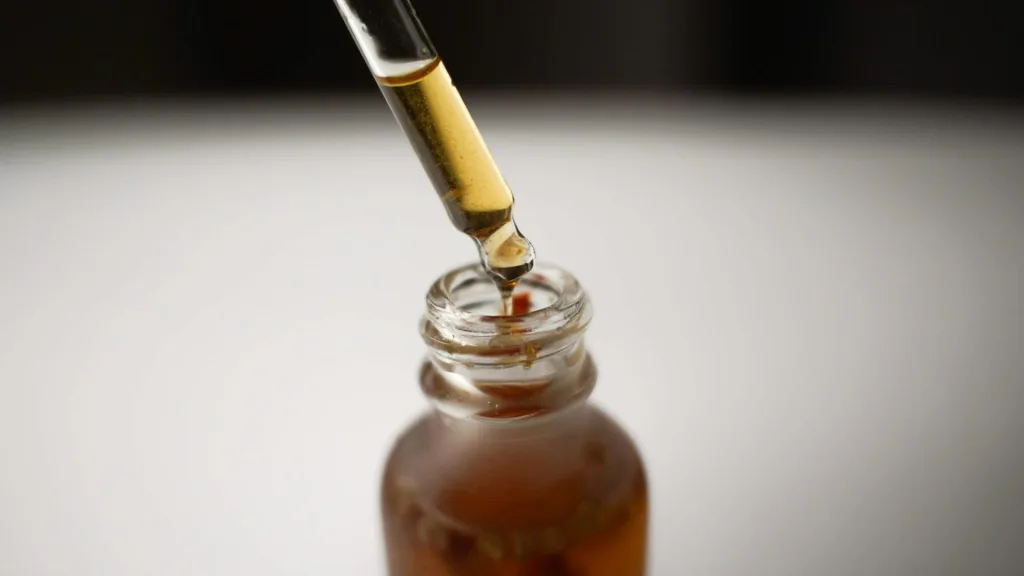
- Oils, often come with a dropper or roller, simple to apply
- Transdermal patches, these are different, and we’ll get to why in a minute
Most of what’s in the topicals category sits under CBD Essentials on our site, because CBD-dominant topicals are the most common type you’ll find. Some products have THC in them too, and a few use a blend of both.
What a topical is for depends on the product, and the brand spells it out. Daily Remedy’s Target Relief Roller is made for nerve and joint pain and sore muscles. Their Knock Out Relief Roller is made for sleep and insomnia.
So what’s actually in them?
The active ingredient is usually CBD, THC, or both. Some products also include CBG or CBN, which are other cannabinoids from the cannabis plant. Beyond that, most topicals are a pretty standard base of carrier oils and waxes (like coconut oil or beeswax) and whatever else the brand throws in, menthol, lavender, arnica, that kind of thing.
The cannabinoid content varies a lot by brand and product type, so it’s worth checking the label. If you’re buying something and the packaging doesn’t tell you what’s in it, that’s a red flag.
Why don’t most topicals get you high?
When you apply a topical to your skin, the cannabinoids absorb into the local tissue, the skin, the layers just below it. They interact with receptors in the area, but they don’t get deep enough into the body to reach your bloodstream in any meaningful amount. No bloodstream, no buzz.
Your skin is actually pretty good at keeping things out. That’s the same reason you can’t just slap a regular hand cream on and expect it to do anything beyond the surface. Cannabis topicals are formulated to get a bit deeper than your average moisturiser, but they’re still not going to travel far.
The one exception, like we mentioned, is transdermal patches. Those are specifically designed to push cannabinoids through the skin barrier and into your blood. If you use a THC transdermal patch, you might notice a mild buzz, depending on the dose. Worth knowing before you stick one on before work.
Tip: If you want to try cannabis without any head change at all, go for a CBD-only topical. If you want to explore THC topically with minimal psychoactive effect, a balm or cream is a safer bet than a transdermal patch.
CBD vs. THC topicals: what’s the difference in practice?
| Type | Gets you high? | Best for | Where to find it |
|---|---|---|---|
| CBD topical | No | Newcomers, everyday use | CBD Essentials section |
| THC topical (balm/cream) | Unlikely | Those curious about THC without smoking | Check product labels |
| 1:1 CBD/THC topical | Unlikely | Trying a balanced cannabinoid profile | Check product labels |
| Transdermal patch (THC) | Possibly yes | Those who want slow, steady absorption | Check product labels |
How do you actually use a topical?
Clean and dry skin first. Apply a small amount to the area you’re focusing on, rub it in, and give it a few minutes to absorb. Most people find that warming the product slightly in your hands before applying helps it go on smoother, especially thicker balms in cold weather.
How much you use and how often is really just trial and feel. Start with a small amount and see how it goes before loading more on. There’s no universal rule here.
One thing worth knowing: topicals absorb better on thinner skin (like the inside of your wrist) than on thick, calloused areas. If you’re not getting much from a product, try a spot where your skin is a bit more delicate.
Myth: “More is more with topicals.” Not really. Piling on extra product doesn’t necessarily mean better absorption. The skin can only take in so much at once. Let it absorb, wait a bit, and reapply if needed.
Are topicals a good starting point for beginners?
Yes. If you’re new to cannabis and a bit nervous about getting too high, topicals are about as low-risk as it gets. There’s no smoke, no measuring out a dose to eat, and no real chance of overdoing it and feeling awful. You just rub it on and see what you think.
Topicals also work well alongside other cannabis products. Some people use a CBD balm and also take tinctures. They’re easy to work into your routine without it feeling like a big deal.
If you’ve been curious about how cannabinoids interact with the body, it’s worth reading a bit about the endocannabinoid system, it’s the network of receptors in your skin and body that these products are working with. Not required reading, but interesting if you want to understand why topicals behave differently from smoking or eating cannabis.
A few things to check before you buy
- Look at the ingredient list. If it’s mostly filler and a trace amount of cannabinoids, it’s probably not going to do much.
- Check whether it’s CBD, THC, or a blend. The label should say clearly.
- Smell it before you commit if you can. Some topicals have a strong herbal or menthol smell that might not be for you.
- Consider the format. A balm is great for a targeted small area; a lotion makes more sense if you want to cover a bigger surface.
Our CBD Essentials section is a good place to start browsing if you want to see what we carry.
Frequently asked questions
Will a cannabis topical show up on a drug test?
A regular CBD topical is very unlikely to cause a positive drug test, since the cannabinoids don’t reach your bloodstream in meaningful amounts. A THC transdermal patch is a different story, if THC gets into your blood, it could show up on a test. If this matters to you, stick to CBD-only products and avoid patches.
How long does it take to feel anything from a topical?
It’s usually quicker than edibles, but it varies depending on the product, the area of skin, and the person. It’s not as fast as inhaling, though.
Can I use a cannabis topical on my face?
Some topicals are formulated specifically for the face and are totally fine to use there. Others are thicker balms with strong-smelling ingredients like camphor or menthol that you probably don’t want near your eyes. Check the product description and, when in doubt, patch-test a small area first.
What’s the difference between a cannabis topical and a hemp seed oil lotion?
Hemp seed oil is pressed from the seeds and doesn’t contain CBD, so a hemp seed lotion is basically a moisturiser. A cannabis topical has actual cannabinoids in it, CBD, THC, or both. The main things to check are how much cannabinoid content it has and whether it contains THC, and the label should tell you.
Can I use too much of a topical?
Mostly you’ll just be wasting product. Some topicals contain ingredients like menthol or camphor that can irritate skin, so patch-test a small area first. Apply a reasonable amount, let it sink in, and add more later if you feel you need it.
Do topicals work on everyone the same way?
No. Skin type, the area you’re applying to, and individual body chemistry all make a difference. What works really well for one person might feel like nothing to another. It can take a bit of experimenting to find the right product and the right amount for you.