THC Percentage Meaning: What the Number Actually Tells You
Key takeaways
- THC percentage tells you how much THC is in the bud by weight, but it doesn’t predict how strong the high will feel.
- A higher number doesn’t automatically mean a better or more intense experience.
- Many people find other things in the flower, like terpenes, shape how the high actually feels.
- Tolerance matters more than the label number for most regular users.
- If you’re newer to cannabis, pick something at the lower end and start low, go slow, rather than chasing the highest number on the shelf.
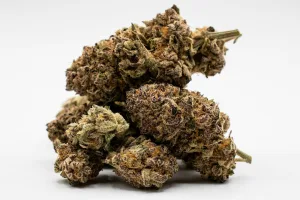
THC percentage is just a measure of how much THC (the compound that gets you high) is in a given amount of bud, shown as a percentage of total weight. It tells you what’s in there, but it doesn’t tell you the whole story about how it’ll feel.
What the number actually means
The higher the percentage on the label, the more THC is packed into every gram of bud. That’s the straightforward bit. The number comes from lab testing, where a small sample of the flower gets analysed and the result goes on the package. One thing to know: most of the THC in raw bud is actually THCA, which turns into THC when you heat it. That’s why labels usually show a Total THC number, which counts both.
Cannabis flower isn’t perfectly uniform. One bud from the same plant can test differently than another. Labs can also get slightly different results depending on their equipment and methods. So the number on the label is a useful rough guide, not a precise guarantee of exactly what’s in your bag.
For more on the rest of what’s printed on the package, check out our plain-language guide to reading a cannabis label.
Why a higher THC percentage doesn’t always mean a stronger high
A lot of people look at two bags of weed and automatically reach for the higher number, figuring it must be the stronger one. It’s a reasonable assumption, but it’s not really how it works in practice.
A few things explain why:
- Terpenes matter. Terpenes are the compounds that give each strain its smell and flavour. Many people find they also play a role in how the overall experience feels. Two flowers with identical THC percentages can feel noticeably different, and their different terpene profiles are often described as part of the reason. One might feel more buzzy and heady, another more relaxed and mellow.
- Your tolerance is a bigger factor than the number. Someone who uses cannabis regularly will feel a lot less from the same flower than someone who hasn’t used it in months. The label doesn’t account for you at all.
- How you consume it changes things. Whether you’re smoking, vaping, or eating an edible, the way THC gets into your body affects how much actually hits. Edibles are a good example: the same amount of THC hits differently than smoked flower because your body processes it through your digestive system.
THC percentage meaning: a quick comparison
This table gives you a general sense of what different ranges tend to mean. These are rough categories, not hard rules.
| Where it sits | What it generally means | Who it suits |
|---|---|---|
| Lower end | Milder, more manageable buzz | Beginners, casual use, daytime |
| Middle of the range | Solid, familiar strength for most people | Everyday use, most users |
| Higher end | More potent, can be a lot for some people | Experienced users with higher tolerance |
Again, these aren’t strict rules. Some people find a fresh, well-made flower with a lower number feels as strong as a stale one with a much higher number. Growing quality, freshness, and how the bud was cured all play into it.
What this means when you’re actually shopping
If you’re newer to weed, picking something at the lower end of the range is a smarter move than grabbing the highest number on the shelf. Start low, go slow. Our Cannabis for Beginners guide is a good read before you buy if you’re just getting started.
For regular users, the percentage is worth a glance but probably shouldn’t be your main filter. Pay more attention to the strain type, the smell (a good sign of terpene content), and what you know about how that kind of bud usually feels for you personally.
Don’t automatically skip lower-percentage options thinking they’re weak or low quality. Plenty of decent bud sits lower on the scale. You can browse our Value Flower selection to see what’s there.
Myth: “The highest THC percentage is always the strongest high.” Not true. Your tolerance matters more than the number on the label, and how you consume it plays a part too. Many people find terpenes do as well.
A quick worked example
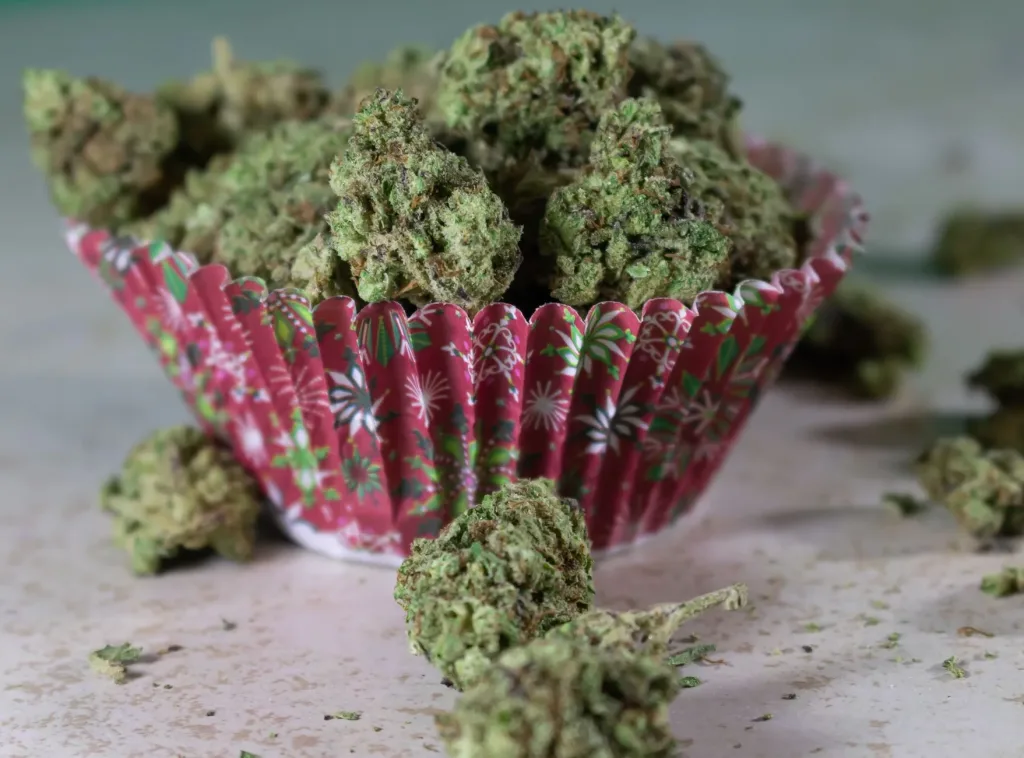
Say you’re choosing between two bags. Bag A has a much higher THC number than Bag B. Bag A’s label looks impressive. But Bag B is fresher, has a stronger smell, and is a strain you’ve tried before and enjoyed. In most cases, Bag B is probably the better pick for you. The number on Bag A looks bigger, but “bigger number” and “better experience” aren’t the same thing.
If you want more on what the numbers do and don’t tell you, our cannabis myths and facts guide is worth a read.
Frequently asked questions
Is a higher THC percentage always more potent?
Not necessarily. The percentage tells you the concentration of THC, but how strong a high actually feels depends on your tolerance, how you consume it, and how fresh the bud is, and many people find the terpene profile of the flower plays a part too. Treat a higher percentage as a starting clue and nothing firmer.
What’s a good THC percentage for a beginner?
Somewhere at the lower end is a solid place to start. Start low, go slow. You can always go higher once you’ve got a feel for things. Our Cannabis for Beginners guide has more on how to approach your first few times.
Can I trust the THC percentage on the label?
Mostly. It’s close enough to help you pick. Cannabis flower varies from bud to bud, and different testing labs can get slightly different results from the same sample. Treat it as a ballpark number rather than an exact figure.
Does a lower THC percentage mean lower quality?
No. Quality is about how the plant was grown, how it was dried and stored, its freshness, and its overall profile. Plenty of well-grown, great-smelling bud sits at moderate percentages. Don’t write something off just because the number isn’t the highest on the shelf.
What are terpenes and why do they matter for how weed feels?
Terpenes are the natural compounds that give cannabis its smell and flavour. Many people find different terpene combinations are a big part of why two strains with similar THC percentages can feel noticeably different. A piney, earthy smell and a sweet citrus smell usually come from different terpenes, and those differences are often described as carrying through into the experience.
Does THC percentage change over time?
Yes. As bud ages, THC gradually breaks down. Flower that’s been sitting around for a long time will lose some of its potency even if the label still shows the original test result. Keeping your bud in an airtight container away from light and heat slows that process down.