What Is THC? A Plain-Language Guide for Everyday Cannabis Shoppers
Key takeaways
- THC is the compound in cannabis that produces the high feeling.
- The number on the label tells you roughly how strong a product is, but it’s not the whole story.
- How you use it (smoke, eat, vape) changes how fast it hits and how long it lasts.
- Higher THC doesn’t always mean a better time, especially if you’re newer to cannabis.
- CBD works alongside THC and can change the overall feel of the experience.
THC, short for tetrahydrocannabinol, is the naturally occurring compound in cannabis that makes you feel high. It’s what most people are thinking about when they pick up a product and wonder how strong it is.
What is THC, exactly?
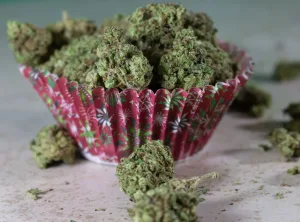
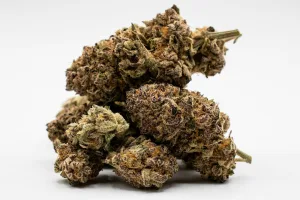
Cannabis plants produce hundreds of different compounds. THC is the main one responsible for the psychoactive effect, the buzz, the head change, the feeling of being stoned. It sits in the tiny sticky structures (called trichomes) that coat the flower. Raw, unheated flower mostly holds a form called THCA, which turns into THC when you heat it. When you smoke, vape, or eat cannabis, THC gets into your bloodstream and makes its way to your brain.
If you want to go deeper on the chemistry, Tetrahydrocannabinol has a solid breakdown. But for shopping purposes, here’s what actually matters.
How THC works in your body
Your brain has a system that THC fits into like a key in a lock. Once it connects, that’s when you feel the effects, things like a shifted headspace, a change in how you perceive time, or just a general sense of relaxation. The strength and character of that feeling depends on a few things: how much THC is in the product, how you’re using it, and your own body’s response.
Two people can use the exact same product and have pretty different experiences. That’s normal. Things like how recently you’ve eaten, your personal tolerance, and even your mood going in can all play a role.
What the THC number on the label actually means
Products list THC as a percentage (for flower) or in milligrams (for edibles and oils). That number tells you the concentration of THC in the product. A higher number means more THC per gram or per serving.
The number is a starting point, not a guarantee. Two products with the same THC percentage can feel quite different depending on the other compounds present, how the cannabis was grown and stored, and the format you’re using.
For a full breakdown of what all those label numbers mean, check out our guide on how to read a cannabis label.
A rough sense of ranges (flower)
| THC Range | What to generally expect | Good for |
|---|---|---|
| Lower end | Lighter effect, easier to manage | Newer shoppers, casual use |
| Mid range | Noticeable high, solid for most people | Everyday use, familiar territory |
| Higher end | Strong effect, can be a lot if you’re not used to it | Experienced users |
No specific percentages here because products vary and those numbers can shift. The THC listed on each product page helps you find something in the right range for where you’re at.
How the format changes things
THC behaves differently depending on how you consume it.
Smoking or vaping flower: You feel it quickly, usually within minutes. The effects usually last a few hours. It’s easier to pace yourself because the feedback is fast.
Edibles: Your body processes THC through your digestive system, which takes longer. You might not feel anything for 30 minutes to two hours. The effects can be stronger and last quite a bit longer. This is where a lot of people overdo it by taking more because they don’t feel anything yet. Start low, go slow.
Vape pens: Similar onset to smoking. A decent option if you want something portable.
THC and CBD, they work together
THC doesn’t operate in isolation. CBD is another major compound in cannabis, and it doesn’t get you high on its own. Products with a mix of THC and CBD often feel different from straight high-THC products, many people find the experience a bit more balanced and manageable.
If you’re newer to cannabis or a bit cautious about strong effects, a product with some CBD alongside the THC is worth considering.
Higher THC isn’t always better
Shoppers often reach for the highest THC number thinking it means the best product or the best experience. It doesn’t work that way.
If you’re new, a very high-THC product can easily be too much and leave you uncomfortable. Feeling anxious, paranoid, or just too out of it isn’t fun and it doesn’t have to happen. A solid mid-range product used sensibly will do the job and leave you in a better place than something that floors you.
Even experienced users often prefer mid-range options for everyday use and save the stronger stuff for when they actually want it.
Tip: If you’re just getting started, pick something clearly labelled with a lower to mid THC level. Start low, go slow. There’s no rush.
Quick practical tips for shopping by THC
- For flower, the label percentage gives you a rough guide. The product notes on effects and flavour help you narrow it down from there.
- For edibles, pay attention to milligrams per piece, not just the total in the package.
- If you’ve had a bad experience before, look for something lower in THC or with more CBD.
- Don’t write off a product just because its THC number looks modest, plenty of great bud sits in the mid range.
If you’re still figuring out where to start, our beginners guide covers the full picture in plain terms. And if you want to browse something solid without overspending, take a look at our value flower, decent bud, fair prices, no fuss.
Frequently asked questions
What is THC in simple terms?
It’s the compound in cannabis that makes you feel high. It’s naturally produced by the cannabis plant and is the main reason people feel a psychoactive effect when they use cannabis.
Is a higher THC percentage always stronger?
Not necessarily. A higher percentage means more THC per gram, but the overall experience depends on other compounds in the product, the format, your tolerance, and how much you use. A high number doesn’t guarantee a great time, and a moderate number doesn’t mean it’s weak.
How long does THC stay in your system?
This varies a lot depending on how often you use cannabis, your metabolism, and other personal factors. It’s detectable in urine for days to weeks in regular users. For specific questions about drug testing, it’s worth doing your own research as it’s outside what we can advise on.
What’s the difference between THC and CBD?
THC is psychoactive, it’s what gets you high. CBD doesn’t produce a high on its own. They often feel different together than either one does alone.
Can you have too much THC?
You can definitely have more than you’re comfortable with. Common signs of going too far are feeling anxious, confused, or way too out of it. It passes, but it’s not fun. Starting low and going slow is the easiest way to avoid getting there.
Does the type of product, flower vs. edible vs. vape, change how the THC affects you?
Yes, quite a bit. Smoked or vaped cannabis hits faster and fades sooner. Edibles take longer to kick in but the effects can be stronger and last longer. This matters a lot with edibles, where it’s easy to not feel anything and then take more before the first bit has had time to work. Start low, go slow.